Kouskousi is a term commonly associated with couscous, a traditional food prepared from small granules of durum wheat semolina. It has deep roots in North African cooking and has remained part of everyday meals, family gatherings, and cultural traditions for generations. Although the name and preparation methods may differ from one region to another, the basic idea remains similar: small grains are cooked until tender and served with vegetables, meat, fish, broth, or other ingredients.
What makes kouskousi important is not simply its taste. The dish reflects the agricultural history, cooking methods, and social customs of the communities that have prepared it for centuries. In many households, making and serving couscous is connected with family life and shared meals. Modern packaged versions have made preparation easier, but traditional methods are still practiced in many regions.
What is kouskousi?
Kouskousi generally refers to couscous or a regional version of the dish. Traditional couscous is produced from durum wheat semolina. Semolina is sprinkled with water and worked by hand until small grains begin to form. The grains are then separated according to size, coated with dry flour or semolina when necessary, and prepared for steaming.
This process explains why couscous should not simply be described as rice or another whole grain. The tiny pieces are created from processed wheat. Their size and texture allow them to absorb broth, spices, and flavors from the foods served alongside them.
Depending on regional language and spelling, the word may appear in different forms. Kouskousi can therefore be understood as part of a larger family of couscous dishes rather than one single recipe with fixed ingredients.
The historical background of kouskousi
The history of kouskousi is closely linked with North Africa. Couscous has long been associated with the food traditions of Amazigh communities and later became widely established across the Maghreb. Over time, trade, migration, political change, and cultural contact helped spread different versions of the dish.
Its long history can partly be explained by practical factors. Wheat was an important crop in many areas, and dried couscous could be stored for later use. Families could prepare it with whatever ingredients were available, including seasonal vegetables, legumes, meat, or simple broth.
As communities moved and interacted with neighboring regions, couscous recipes changed. Different spices, cooking fats, vegetables, and proteins were added according to local agriculture and food preferences. This flexibility helped the dish remain relevant across generations.
How traditional kouskousi is made
Traditional preparation requires more work than cooking commercially available instant couscous. The process begins with semolina placed in a wide dish. Small amounts of water are added while the semolina is moved and rubbed by hand.
The goal is to create evenly sized granules rather than a large mass of dough. Dry semolina may be added during the process to prevent the pieces from sticking together. The grains are then sifted so that larger pieces can be broken down and worked again.
After the grains are formed, they are steamed. Traditional cooks may use a special two-level cooking vessel. The lower section contains a stew or simmering liquid, while the upper perforated section holds the couscous. Steam rises from below and slowly cooks the grains.
The couscous may be removed during cooking, separated by hand or with a utensil, moistened, and returned for additional steaming. This repeated process helps produce a soft texture without turning the grains into a sticky mixture.
The difference between traditional and instant couscous
Many people outside the regions where couscous originated are most familiar with instant products sold in supermarkets. These products are usually pre-steamed and dried during manufacturing. Because much of the cooking process has already taken place, they can often be prepared by adding hot water or broth.
Traditional kouskousi requires more time and attention. The grains are steamed gradually, sometimes more than once, and carefully separated between cooking stages. The difference is noticeable in both texture and the overall cooking experience.
Instant couscous is convenient for quick meals, while traditionally prepared versions remain important for households that value established cooking techniques. Neither form changes the basic identity of the food, but the method can influence texture, flavor absorption, and presentation.
Main ingredients used with kouskousi
One reason for the lasting popularity of kouskousi is its ability to work with many ingredients. The couscous itself has a relatively mild flavor, allowing it to take on the taste of sauces, spices, vegetables, and cooking liquids.
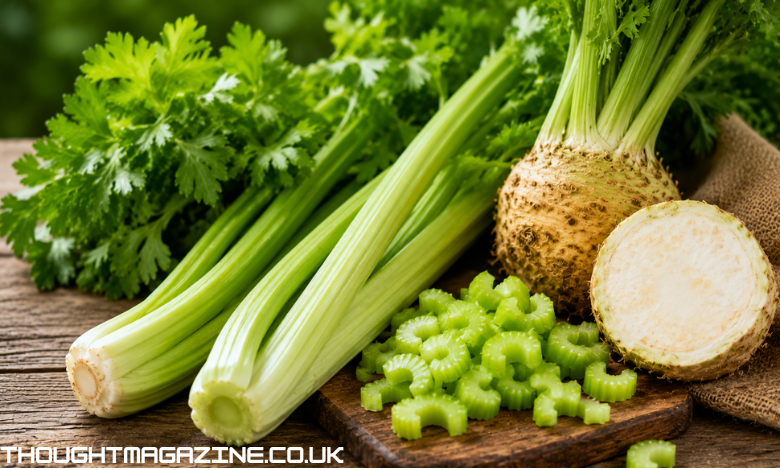
Common vegetables can include carrots, onions, tomatoes, zucchini, pumpkin, potatoes, and turnips. Chickpeas and other legumes may also be added to provide additional texture and substance.
Meat-based versions can include lamb, chicken, or beef. In coastal areas, fish and seafood may be used instead. Some recipes rely mainly on vegetables and legumes without including meat.
The ingredients depend heavily on location, family traditions, religious practices, seasonal availability, and personal preferences.
Kouskousi across North Africa
There is no single North African couscous recipe. Morocco, Algeria, Tunisia, Libya, and neighboring areas have developed their own cooking styles and regional variations.
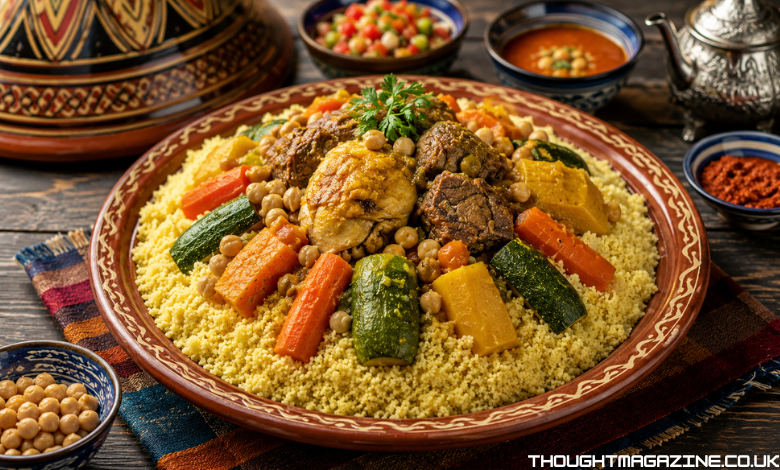
Moroccan couscous is often associated with combinations of vegetables, meat, chickpeas, and carefully selected spices. One well-known preparation includes several vegetables arranged around or over a large serving of couscous.
Algerian recipes vary considerably between regions. Some are based on lamb or chicken, while others include vegetables, chickpeas, or different sauces. The choice of ingredients often reflects local agricultural conditions and family customs.
Tunisian preparations may have stronger seasoning and can include tomato-based sauces and harissa. Fish couscous is also found in coastal areas.
Libyan versions may contain meat, vegetables, chickpeas, and sauces with noticeable seasoning. These differences show how one basic food can develop separate identities across neighboring countries.
The role of spices and seasonings
Spices are an important part of many kouskousi recipes, but the couscous grains themselves are not always heavily seasoned. Much of the flavor comes from the stew, sauce, or broth served with them.
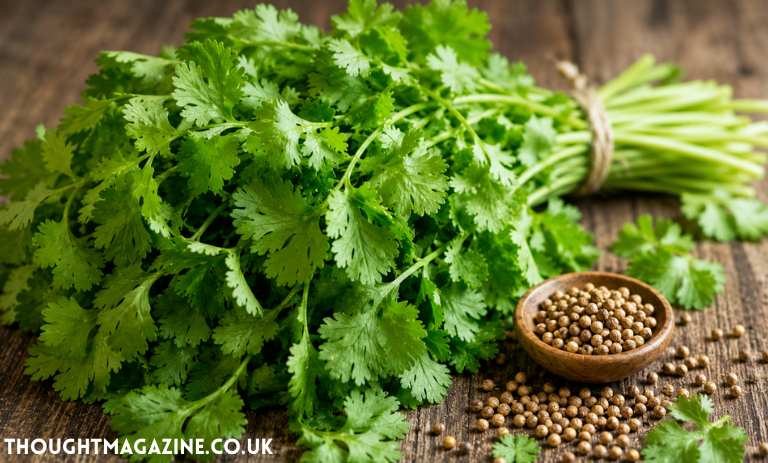
Seasonings may include cumin, coriander, turmeric, cinnamon, black pepper, paprika, ginger, or regional spice mixtures. The exact combination depends on the recipe.
Fresh herbs may also be used. Parsley and coriander can add flavor to vegetable and meat preparations. Olive oil, butter, or other fats may be mixed into the grains or used during cooking.
The purpose of seasoning is usually to create balance between the couscous and the accompanying ingredients. An excessively strong sauce can overpower the grains, while a weak broth may leave the final meal lacking flavor.
Sweet versions of kouskousi
Although kouskousi is often served as a savory meal, sweet versions also exist. These preparations demonstrate the flexibility of couscous beyond vegetable and meat dishes.
Sweet couscous may include raisins, dates, nuts, cinnamon, sugar, honey, or milk. Some versions are served as desserts, while others may appear at breakfast or during special occasions.
The contrast between sweet and savory preparations also shows why couscous cannot be defined by one fixed recipe. The grains provide a basic foundation that can be adapted according to the purpose of the meal.
Nutritional profile of kouskousi
The nutritional content of kouskousi depends on the type of couscous used and the ingredients served with it. Since traditional couscous is generally produced from durum wheat semolina, carbohydrates make up a significant part of its nutritional profile.
It also provides some protein and small amounts of other nutrients. Whole-wheat couscous generally contains more fiber than refined varieties.
The complete nutritional value of a meal changes when vegetables, legumes, meat, fish, oils, and sauces are added. A vegetable and chickpea couscous dish will have a different nutritional profile from one containing large amounts of fatty meat and cooking oil.
For this reason, kouskousi should be considered as one part of a complete meal rather than evaluated only by the grains themselves.
Why texture matters in preparing kouskousi
Texture is one of the most important elements of properly prepared couscous. Ideally, the grains should be tender and separate. They should not form a wet, heavy mass.
Several mistakes can affect the final result. Adding too much liquid may make the couscous soggy. Failing to separate the grains can lead to clumps. Overcooking can also damage the light texture associated with the dish.
Traditional steaming methods give cooks greater control over moisture. The grains absorb steam gradually instead of sitting directly in large amounts of liquid.
With instant couscous, the correct ratio of liquid to grains is important. After the liquid is absorbed, gently separating the grains with a fork can improve the texture.
Kouskousi as a family meal
In many communities, couscous is closely associated with eating together. A large portion may be served on a shared dish, with vegetables and meat arranged over the grains.
This serving method gives kouskousi a social role. Preparing the meal can involve several family members, especially when the grains are traditionally made by hand. Serving it can also bring relatives and guests together around one table.
Family recipes are often passed from one generation to another. The exact amount of seasoning, preferred vegetables, cooking time, and serving style may be learned through observation rather than written instructions.
These household traditions explain why two families living in the same area can prepare noticeably different versions of the dish.
Kouskousi and regional identity
Food often becomes part of cultural identity, and kouskousi is an example of this connection. People may associate a particular preparation with their hometown, region, or family history.
Arguments over the best cooking method or correct ingredients are common with traditional foods. Such discussions exist because recipes develop differently across communities.
Instead of viewing these differences as contradictions, they can be understood as evidence of the dish’s long development. Kouskousi has survived partly because communities were able to adapt it while maintaining its basic character.
How kouskousi spread internationally
Migration played an important role in introducing couscous to new audiences. North African communities brought their food traditions to parts of Europe and other regions, where couscous gradually became available in restaurants and grocery stores.
International interest also increased because the food is relatively easy to adapt. It can replace rice, pasta, or other starches in some meals. Cooks can serve it with roasted vegetables, salads, grilled meat, fish, or sauces.
Commercial instant products further expanded its popularity by reducing cooking time. People who had never used a traditional couscous steamer could prepare the grains within minutes.
However, international adaptations may differ significantly from established North African preparations. A cold couscous salad, for example, uses the same basic ingredient but may have little connection with traditional serving methods.
Common mistakes when cooking kouskousi
One common mistake is using too much water. This can cause the grains to become overly soft and sticky. Following the correct liquid ratio is particularly important when preparing packaged couscous.
Another problem is failing to season the cooking liquid. Since the grains absorb moisture, using a flavorful broth can improve the final result.
Some cooks also serve couscous immediately without separating the grains. Allowing it to rest briefly and then gently fluffing it can produce a better texture.
Traditional preparation requires patience. Trying to speed up the steaming process or adding too much moisture at once can affect consistency.
How kouskousi is served
Serving styles vary depending on the region and type of meal. A common approach is to place the cooked couscous on a large serving dish and arrange vegetables and meat on top.
Broth or sauce may be poured over the grains or served separately. Keeping some liquid separate allows diners to control how moist they want their portion.
For smaller meals, couscous can be served individually alongside vegetables, fish, chicken, or meat. Cold versions may be combined with herbs and chopped vegetables.
Presentation is often practical rather than complicated. The main goal is to distribute the grains and accompanying ingredients so that each serving includes a balance of flavors and textures.
Storing and reheating kouskousi
Cooked couscous can be stored for later use when handled properly. It should be cooled and placed in a suitable container before refrigeration.
When reheating, adding a small amount of water or broth can help restore moisture. The grains should be separated gently to prevent large clumps.
Leftover couscous can also be used in different dishes. It may be added to salads, served with vegetables, or combined with other ingredients for a quick meal.
Proper storage is especially important when couscous is mixed with meat, fish, or other perishable foods. The complete dish should be treated according to safe food storage practices.
Why kouskousi remains popular
The continued popularity of kouskousi can be explained by its practicality and adaptability. The basic ingredient is easy to combine with many foods, allowing cooks to adjust recipes according to available ingredients.
It can be prepared as a simple meal or as part of a larger family gathering. Traditional versions preserve established cooking methods, while instant products meet the needs of people looking for faster preparation.
The dish also connects food with history and community. For many families, couscous is not an unfamiliar international food trend but a regular part of home cooking and cultural tradition.
Kouskousi beyond a single recipe
Understanding kouskousi requires looking beyond one ingredient list. The term represents a broad cooking tradition shaped by geography, agriculture, migration, and family practices.
A recipe from Morocco may differ from one prepared in Tunisia or Algeria. A household version may also be different from restaurant couscous or packaged products sold internationally.
These differences are central to the history of the dish. Kouskousi remained part of regional food culture because it could change according to local needs without losing its basic foundation.
Conclusion
Kouskousi is a food with a long connection to North African culinary history. Made primarily from durum wheat semolina, its small grains can be steamed and served with vegetables, legumes, meat, fish, broth, spices, or sweet ingredients.
Its preparation ranges from traditional hand-formed and repeatedly steamed couscous to convenient commercial varieties that can be ready within minutes. Across different regions, families and communities have developed their own recipes, seasonings, and serving traditions.
The importance of kouskousi comes from this combination of practicality, flexibility, and cultural history. It can be an everyday meal, a dish for family gatherings, or a foundation for regional recipes. Rather than belonging to one fixed preparation, kouskousi represents a broad and continuing food tradition shaped by the people who make and share it.