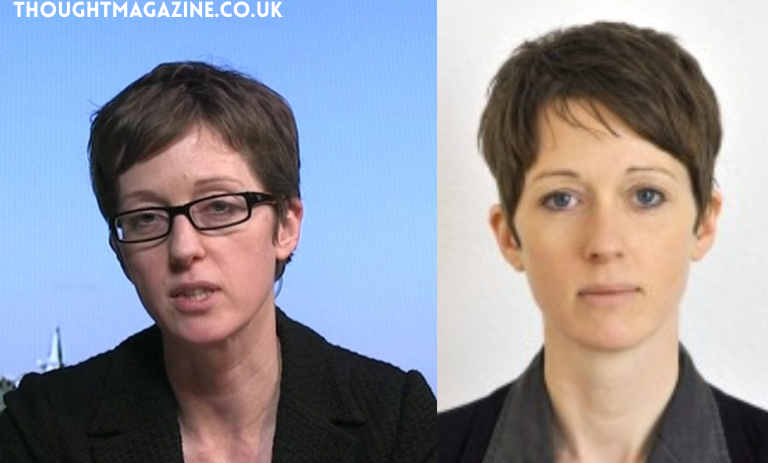
Lucy Williamson is a British broadcast journalist best known for her work as a foreign correspondent with BBC News. Throughout her career, she has reported from some of the world’s most closely watched regions, covering conflicts, elections, diplomatic developments, humanitarian crises, and major international events. Her reporting has focused on explaining complicated situations through factual reporting and firsthand observation rather than personal opinion.
Over the years, Williamson has worked in several international postings that required both editorial judgment and an understanding of different political and cultural environments. Her assignments have taken her across Asia, Europe, and the Middle East, allowing her to report directly from places where important global events have unfolded. This long experience has made her one of the BBC’s established international correspondents.
Early Life and Education
Lucy Williamson was born in the United Kingdom, although she has chosen to keep details about her childhood and family largely private. Unlike many public figures, she has rarely spoken publicly about her early life, preferring her professional work to remain the focus of public attention.
She studied at the University of Manchester, where she completed a degree in English and Persian. The combination of language studies and literature gave her a broader understanding of international cultures and communication. Those academic interests later proved valuable when reporting from countries with different languages, traditions, and political systems.
Entering Journalism
Williamson began her career in journalism with an interest in international affairs rather than entertainment or lifestyle reporting. Like many journalists entering the profession, she developed her reporting skills by learning how to research stories, interview sources, verify information, and explain complicated subjects in a way that audiences could easily understand.
Her early work demonstrated an ability to remain calm while reporting on developing events. Accuracy became a central part of her reporting style, helping prepare her for assignments involving international politics and foreign affairs.
Joining BBC News
Lucy Williamson joined BBC News in the early years of her professional career and gradually became part of its international reporting team. Working for a global broadcaster meant reporting on stories that affected audiences far beyond the country where they occurred.
As her experience increased, she was trusted with more demanding overseas assignments. These postings required extensive travel, quick decision-making, and the ability to report from locations where political or security situations could change rapidly.
The BBC’s international network also allowed her to work alongside journalists from different backgrounds while covering stories with worldwide significance.
Reporting from South Korea
One of Williamson’s important foreign assignments was in South Korea. During her time there, she reported on developments affecting the Korean Peninsula, including diplomatic relations, military tensions, and regional politics.
Relations between North Korea and South Korea frequently attract international attention, making the role of a correspondent especially important. Williamson’s reports explained not only official announcements but also how political decisions influenced daily life for people living in the region.
Her reporting combined current developments with historical background so viewers could better understand the significance of ongoing events.
Covering Southeast Asia
After working in Korea, Williamson later served as a BBC correspondent based in Jakarta, Indonesia. From there, she covered news across Southeast Asia, a region known for its political diversity, economic growth, and frequent natural disasters.
Her reporting included national elections, government policy, social change, environmental issues, earthquakes, volcanic eruptions, and other major events affecting the region. Working across multiple countries required flexibility because every assignment presented different cultural, political, and logistical challenges.
This period broadened her experience beyond political reporting and included stories about communities recovering from natural disasters and economic change.
Middle East Reporting
A significant portion of Lucy Williamson’s career has been devoted to reporting from the Middle East. This region has remained one of the world’s most closely followed areas because of ongoing political disputes, diplomatic negotiations, security concerns, and humanitarian issues.
Reporting from the Middle East demands careful verification of information, particularly during rapidly changing situations. Journalists often work under tight deadlines while ensuring that reports remain accurate and balanced.
Williamson has covered developments involving governments, international organizations, military operations, ceasefire negotiations, and humanitarian conditions affecting civilians. Her work has aimed to explain both immediate events and the broader circumstances surrounding them.
Reporting from Jerusalem
Among Williamson’s best-known assignments has been her role reporting from Jerusalem. The city occupies a central place in international news because of its political, historical, and religious importance.
Covering Jerusalem requires more than reporting daily developments. Correspondents must understand decades of historical context while following current events involving Israeli and Palestinian affairs, diplomacy, and regional security.
Williamson’s reporting has often connected breaking news with the larger issues behind each story, allowing audiences to understand why developments in the region receive worldwide attention.
Paris Correspondent
Williamson also served as the BBC’s correspondent in Paris, expanding her reporting experience beyond Asia and the Middle East. France plays an influential role within Europe, making Paris an important center for political, diplomatic, and social news.
During this assignment, she reported on French elections, government decisions, public demonstrations, security incidents, and international meetings hosted in the country. Her reports examined both domestic developments and their broader impact across Europe.
Working in Paris demonstrated the variety of her career, showing that her experience extends across different political systems and international environments.
Reporting Style
Lucy Williamson is known for a reporting style that emphasizes clarity and factual accuracy. Rather than relying on dramatic presentation, she focuses on explaining events through verified information, interviews, and observations gathered directly from the scene.
Her reports generally balance breaking news with background information, making complicated subjects easier for audiences to understand. She regularly includes interviews with officials, analysts, and ordinary residents to present different perspectives on major events.
This approach has remained consistent throughout her career, regardless of whether she has been reporting from Europe, Asia, or the Middle East.
Responsibilities of a Foreign Correspondent
Foreign correspondents perform much more than on-camera reporting. They research events, travel extensively, interview witnesses, confirm information with multiple sources, and work closely with producers and camera teams while meeting strict broadcast deadlines.
Assignments often involve unfamiliar environments where transportation, communications, or security conditions may change without warning. Journalists must continue gathering reliable information while adapting to these circumstances.
Lucy Williamson’s career reflects the demands of international journalism, where preparation, accuracy, and careful reporting remain essential regardless of where the assignment takes place.
Covering Major International Stories
Throughout her career with BBC News, Lucy Williamson has worked on stories that extend far beyond routine political reporting. Her overseas assignments have placed her in regions experiencing elections, diplomatic disputes, security concerns, public demonstrations, natural disasters, and armed conflict. Each type of story requires a different reporting approach, particularly when reliable information is limited or events are changing quickly.
Her experience in different countries has also required her to explain why local developments matter internationally. A political decision in South Korea, a security development in the Middle East, or a major event in France can have consequences beyond national borders. Williamson’s work has therefore often combined immediate reporting with enough background to help viewers understand the wider significance of a story.
Experience Reporting on Conflict
Conflict reporting has formed an important part of Williamson’s work as an international correspondent. Reporting from areas experiencing military activity presents challenges that are very different from those involved in ordinary political journalism. Information may be disputed, access to locations can be restricted, and conditions can change rapidly.
In these circumstances, correspondents must distinguish confirmed information from claims that cannot yet be independently established. Williamson’s reports from the Middle East have required this careful approach. Along with developments involving governments and armed forces, her coverage has examined the effect of conflict on civilians and communities living through prolonged periods of instability.
Israeli and Palestinian Affairs
Williamson’s work from Jerusalem has involved extensive reporting on Israeli and Palestinian affairs. The subject is among the most complicated areas of international journalism because current developments are connected to a long history of territorial disputes, security concerns, political disagreements, and unsuccessful diplomatic efforts.
Her reporting has covered political decisions, military developments, humanitarian conditions, protests, and international responses to events in the region. Explaining these developments to an international audience requires providing enough historical context without allowing that background to overwhelm the immediate story. This has remained an important responsibility throughout her Jerusalem assignment.
Reporting on Civilian Experiences
One feature of Lucy Williamson’s international reporting has been attention to people directly affected by the events she covers. Political announcements and military decisions can provide the framework of a news story, but their consequences are often most clearly understood through the experiences of local communities.
Her reports have included the perspectives of residents, families, workers, and other people whose daily lives have been changed by political instability, conflict, or natural disasters. Including these experiences provides a different dimension to international reporting and helps explain the practical consequences of decisions made by governments and institutions.
Political Reporting
Politics has remained another central subject throughout Williamson’s career. Her different international postings have required her to follow elections, changes in government, public policy, diplomatic negotiations, and relationships between countries.
While working in France, for example, political developments formed an important part of her reporting responsibilities. France’s position within Europe means that decisions taken by its government can influence discussions across the European Union and beyond. Her experience in Asia similarly involved following political developments that affected regional security and international relations.
Working Across Different Cultures
A foreign correspondent regularly moves between countries where language, political traditions, social expectations, and cultural practices may be very different. Understanding these differences is important because events cannot always be accurately explained without considering their local context.
Williamson’s assignments across Europe, Asia, and the Middle East have required her to adapt her reporting to different environments. Her educational background in English and Persian also reflects an early interest in languages and cultures that later became relevant to her international journalism career.
Working internationally does not mean simply arriving in another country and describing events. Correspondents must understand the history and circumstances behind the stories they cover. Williamson’s years abroad have provided considerable experience in this area.
Television and Field Reporting
Although Lucy Williamson is familiar to audiences through television appearances, much of a correspondent’s work takes place before a report reaches the screen. Interviews must be arranged, information checked, locations assessed, scripts prepared, and footage gathered before a finished report can be broadcast.
Live television creates additional pressure because correspondents sometimes have only a short period to explain a complicated developing story. They must communicate the most important facts clearly while avoiding conclusions that are not yet supported by available information.
Williamson’s long experience with live and recorded reporting has allowed her to work across both formats. Whether delivering an update from the scene or preparing a longer report, her approach generally remains focused on direct explanation.
Challenges of International Journalism
International journalism can involve significant practical difficulties. Foreign correspondents may spend long periods away from home and can be required to travel with little notice when an important story develops. Some assignments take place in areas where transportation, accommodation, electricity, or communication systems have been disrupted.
Security is another major consideration, particularly when covering wars, demonstrations, terrorist attacks, or political unrest. Journalists often work alongside local producers, camera crews, translators, and security specialists who help them operate safely and understand conditions on the ground.
Williamson’s career across several demanding international postings shows the level of adaptability required for this type of journalism. The work involves far more than presenting a television report; much of it depends on preparation, teamwork, judgment, and the ability to respond quickly when circumstances change.
Professional Experience and Recognition
Lucy Williamson’s professional standing has largely developed through the range and duration of her foreign assignments. Rather than becoming known through entertainment programs or opinion-based television, she has built her public profile through consistent international news reporting.
Being selected for major foreign postings carries considerable responsibility. Correspondents represent their news organization in regions where events may receive worldwide attention. Williamson’s assignments in Seoul, Jakarta, Paris, and Jerusalem demonstrate the broad geographical experience she has accumulated during her BBC career.
Her continued involvement in major international coverage also reflects the experience she has developed in dealing with politically sensitive and rapidly changing stories.
Lucy Williamson’s Personal Life
Williamson maintains a relatively private life outside journalism. Despite appearing regularly on television, she has not built a public identity around personal matters. Information about her family background and everyday life remains limited compared with details about her professional career.
She is reported to be married to John Nilsson-Wright, an academic whose work focuses on international relations and East Asian affairs. Both have professional backgrounds connected with international issues, although Williamson has generally kept her marriage and family life separate from her public role as a journalist.
This approach has meant that most public interest surrounding her remains focused on her reporting rather than her private activities.
Public Profile
Lucy Williamson is primarily recognized by viewers as a BBC foreign correspondent. Her visibility has increased through repeated appearances from international locations, particularly during periods when major events dominate the news.
Like other correspondents covering sensitive political conflicts, her reporting may be examined closely by audiences with strongly differing views. Reporting on conflicts involving competing historical and political narratives frequently attracts criticism from different sides, regardless of the journalist involved.
Williamson has continued to concentrate on field reporting, interviews, and factual explanations rather than developing a public profile based on personal commentary. This distinction has remained consistent throughout much of her career.
Career Across Several Regions
One of the most notable aspects of Williamson’s professional journey is the geographical range of her assignments. Few journalism careers remain limited to one type of story when they involve international correspondence, and her work demonstrates this variety.
Her experience in South Korea involved regional security and political developments, while Indonesia introduced stories involving politics, society, and natural disasters. Paris brought a stronger focus on European affairs, and Jerusalem placed her within one of the world’s most closely followed political and security environments.
Each posting required different knowledge and reporting skills, contributing to the broader experience she later brought to subsequent assignments.
Contribution to International Reporting
Williamson’s contribution to journalism can be understood through the consistency of her foreign reporting. International correspondents provide an important connection between events happening in one part of the world and audiences watching from another.
Their responsibility is not simply to describe what is visible. They must determine which facts are reliable, explain why events are happening, speak with people directly involved, and provide enough context for viewers to understand the significance of new developments.
Through her work with BBC News, Williamson has performed this role across several countries and major international stories. Her career demonstrates how foreign journalism depends on experience, research, local understanding, and careful communication.
Lucy Williamson’s Continuing Career
Lucy Williamson remains associated with international reporting and BBC News. Her professional history shows a journalist whose career has developed largely through overseas assignments rather than studio-based broadcasting.
Years spent covering Asia, Europe, and the Middle East have given her experience with a broad range of subjects, including elections, diplomacy, conflict, social change, security, and humanitarian issues. This variety has become a defining feature of her work.
As international events continue to change, experienced correspondents remain important for providing information directly from the places where those developments occur. Williamson’s background in multiple regions gives her a substantial foundation for handling these assignments.
Conclusion
Lucy Williamson has established a long career as a British journalist and international correspondent for BBC News. Her professional journey has taken her from assignments in East and Southeast Asia to reporting from France and the Middle East. Across these postings, she has covered politics, diplomatic relations, security issues, natural disasters, armed conflicts, and the experiences of civilians affected by major events.
Her career is defined primarily by field journalism rather than personal publicity. By keeping her private life largely separate from her professional role, Williamson has remained publicly associated with the international stories she reports. Her years of work across different countries demonstrate the demands of foreign correspondence and the importance of clear, carefully verified reporting when explaining complicated global events to a wider audience.