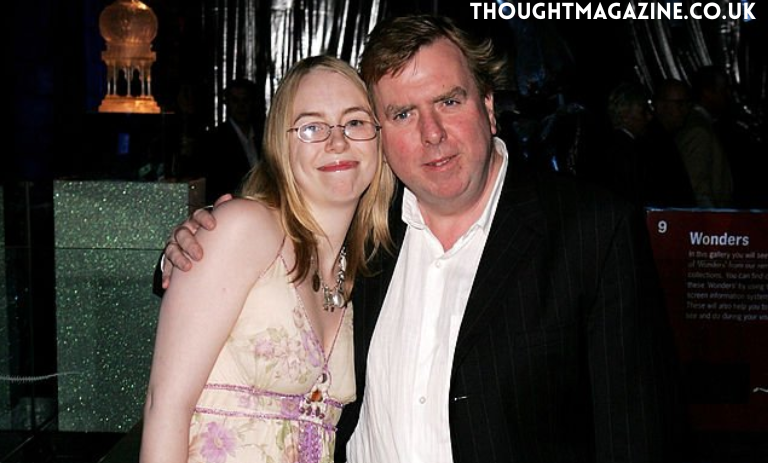
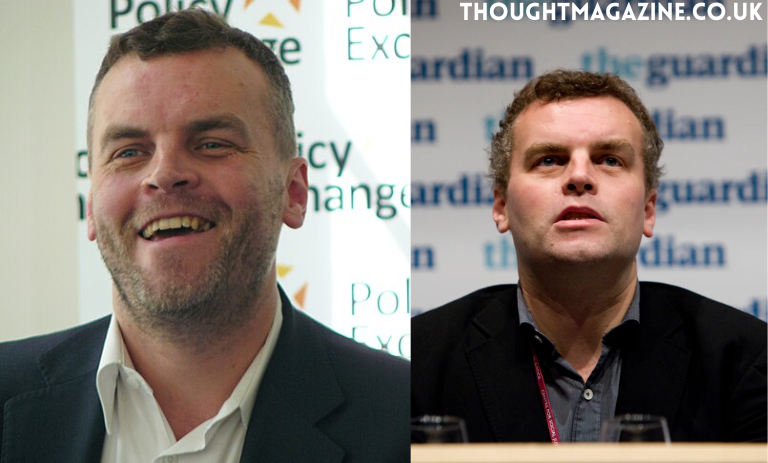
Tim Montgomerie is a British political commentator, writer and activist who has spent several decades involved in political journalism and conservative politics. Born on 24 July 1970, he became widely known through ConservativeHome, the political website he established in 2005. He has also worked as a newspaper commentator, political adviser and campaigner, making regular appearances in discussions about British politics.
Alongside his political career, questions about Tim Montgomerie health problems have increasingly appeared online. Some people have searched for information about his speech, head movements, possible disability and whether he has experienced conditions such as cerebral palsy or a stroke. Most of these specific physical-health claims, however, have not been publicly confirmed. The clearer part of his health story concerns mental health difficulties that Montgomerie himself has previously discussed.
Why Tim Montgomerie’s Health Attracts Attention
Montgomerie has appeared regularly on television, radio, podcasts and online political programmes. This level of visibility means viewers have had many opportunities to observe his manner of speaking and physical movements. Some viewers have interpreted certain characteristics as signs of an underlying medical condition and searched online for an explanation.
That does not mean those interpretations are correct. A television appearance cannot provide the information needed to diagnose a person’s health. Movements, facial expressions, voice patterns and posture can vary considerably between individuals. Without a confirmed diagnosis, connecting any of these characteristics to a particular illness remains speculation.
What Is Known About Tim Montgomerie’s Mental Health
The strongest information concerning Montgomerie’s health relates to his mental wellbeing rather than a physical disorder. He has previously spoken about experiencing mental health difficulties, particularly during the period surrounding the COVID-19 lockdowns. This part of his health history differs significantly from theories based on observations of his television appearances because Montgomerie himself has addressed it.
Periods of isolation and major disruption during the pandemic affected many people’s emotional wellbeing. For someone whose professional life involved political debate, meetings, broadcasting and regular interaction with others, the sudden change in routine could also have been significant. Montgomerie has indicated that this was a difficult period personally.
Tim Montgomerie’s Difficult Period Around 2021
People searching for Tim Montgomerie illness 2021 may expect to find evidence of a particular physical disease. However, there is no widely established public information confirming that he developed a major physical condition during that year. The better-known health issue from around this period relates to his mental health struggles.
This distinction is important because vague references to someone being unwell can quickly become distorted online. Mental health difficulties do not automatically indicate the presence of a neurological or physical disorder. Unless Montgomerie chooses to provide additional details about his private health, it is more accurate to limit discussion to what he has actually made public.
Does Tim Montgomerie Have Cerebral Palsy?
One persistent question is whether Tim Montgomerie has cerebral palsy. There is no confirmed public information establishing that he has the condition. The suggestion appears largely connected to people interpreting aspects of his movement or speech rather than to a medical disclosure from Montgomerie.
Cerebral palsy covers a group of conditions affecting movement and coordination and is generally associated with differences in brain development occurring before, during or shortly after birth. It cannot be diagnosed simply by watching a person during an interview. Without confirmation, describing Montgomerie as having cerebral palsy would therefore be inaccurate.
Why People Ask About Tim Montgomerie’s Head Movements
Some viewers have commented on Montgomerie’s head movements during televised discussions. This appears to have contributed to searches asking whether those movements are connected with a health condition. However, observing repeated movement does not reveal its cause.
There are many reasons why people move differently while speaking. Some movements are ordinary personal habits, while others can have medical explanations. Determining the difference requires medical information that viewers do not possess. Montgomerie has not publicly established a particular neurological diagnosis as the explanation for the movements people have noticed.
Tim Montgomerie Speech Problems: Is There a Confirmed Condition?
Questions about Montgomerie’s speech have developed in much the same way. People who watch political interviews may notice particular characteristics in his delivery and wonder whether there is a medical reason behind them. Such observations have led to searches describing them as speech problems.
There is no publicly confirmed diagnosis that provides a medical explanation for his speaking style. A person’s natural voice, rhythm, pronunciation and delivery can differ considerably from those of other speakers. It would therefore be inappropriate to describe a distinctive speaking pattern as evidence of disease without reliable confirmation.
Has Tim Montgomerie Had a Stroke?
Another claim sometimes associated with discussions about Montgomerie’s health is that he may have experienced a stroke. There is no established public evidence confirming that he has suffered one. The idea seems to arise from the same attempts to interpret his movements or speech.
A stroke is a serious medical event that requires professional diagnosis. While strokes can affect movement, facial control and speech, those characteristics alone cannot establish that someone has experienced one. Without a direct disclosure or confirmed information, claims that Montgomerie has suffered a stroke should be treated as unsupported.
Is Tim Montgomerie Disabled?
Whether Tim Montgomerie has a disability is another question that appears in online searches. Again, there is no clear public basis for assigning him a specific physical disability simply because viewers have noticed certain movements or characteristics in his speech.
Disability is also a broad subject, and people have the right to decide how much information about their health they wish to disclose. Montgomerie has spent most of his public career discussing politics rather than his physical health. His decision not to explain every aspect of his appearance should not be interpreted as evidence that a particular diagnosis exists.
Understanding the Difference Between Observation and Diagnosis
The discussion surrounding Montgomerie demonstrates a common problem involving public figures. Someone appears on television, viewers notice something unusual to them, and questions begin appearing on social media and search engines. Eventually, those questions can start looking like factual statements.
But repetition does not turn speculation into evidence. Ten websites asking whether someone has cerebral palsy do not provide confirmation that the person has cerebral palsy. Likewise, repeated searches concerning a stroke do not establish that a stroke occurred. Medical information requires a much higher standard than visual observation.
Why Health Rumours Spread So Easily
Search engines can unintentionally make health speculation appear more credible than it really is. When enough people type similar questions, those phrases can appear as suggestions. Someone encountering the suggestion for the first time may assume there must already be a factual story behind it.
Social media can accelerate the same process. A short television clip may be reposted without context, followed by comments asking about the person’s health. Other users then repeat possible explanations until the original uncertainty becomes difficult to distinguish from supposed fact. This pattern is particularly problematic when specific diseases are named.
Mental Health Should Not Be Confused With Physical Speculation
Montgomerie’s acknowledged mental health struggles should also not be used as evidence for unrelated physical conditions. Mental and physical health can influence one another, but the existence of one does not establish the other.
His willingness to speak about a difficult period provides meaningful information about his personal experience. It does not confirm cerebral palsy, stroke or another neurological condition. Keeping these subjects separate prevents genuine disclosures from becoming mixed with unsupported assumptions.
Tim Montgomerie’s Career Before the Health Questions
Montgomerie’s public profile developed long before online discussion about his health became common. During his university years, he became involved in Conservative politics and helped establish the Conservative Christian Fellowship. After university, he worked for a period at the Bank of England before moving further into political work.
He later worked with senior Conservative figures, including William Hague and Iain Duncan Smith. His responsibilities included political communication, speechwriting and work involving social policy. These positions helped establish him within Conservative political circles before he became widely known to the general public.
The Centre for Social Justice
In 2004, Montgomerie helped establish the Centre for Social Justice alongside Iain Duncan Smith and Philippa Stroud. The organisation was intended to focus greater political attention on poverty, family breakdown and other social issues.
The project reflected Montgomerie’s interest in what became known as compassionate conservatism. Rather than concentrating exclusively on taxation, markets and government spending, this approach attempted to place social problems and disadvantaged communities closer to the centre of Conservative political thinking.
The Creation of ConservativeHome
Montgomerie became much more visible after launching ConservativeHome in 2005. The website provided news, commentary and discussion about the Conservative Party while also giving grassroots members a platform within political debate.
Its influence grew quickly, and Montgomerie became a recognisable figure within British political journalism. He was frequently asked to discuss Conservative strategy, leadership contests, elections and internal disagreements. His role meant that his opinions could influence debates both inside and outside the party.
Moving Into Mainstream Political Journalism
After establishing his reputation through ConservativeHome, Montgomerie expanded his work in traditional media. He wrote political commentary for major British newspapers and eventually joined The Times as comment editor.
His work increasingly involved analysing political leadership, election strategy and the ideological direction of the Conservative Party. Although strongly connected with conservative politics, he was often willing to criticise Conservative leaders when he believed their strategy or priorities were wrong.
Tim Montgomerie and UnHerd
Montgomerie later became involved in establishing UnHerd, an online publication created to provide commentary on politics, society and culture. His involvement represented another attempt to develop a platform outside traditional party structures.
He eventually left the publication, but the project added another stage to a career largely built around political ideas and media. By this point, Montgomerie was already well established as a commentator rather than simply a Conservative Party activist.
His Role During Boris Johnson’s Government
In 2019, Montgomerie briefly worked as a social justice adviser to Prime Minister Boris Johnson. The position connected with his longstanding interest in poverty and social policy, subjects that had been central to his earlier work with the Centre for Social Justice.
His relationship with Johnson’s government did not prevent him from later becoming critical of its direction. Montgomerie continued expressing independent views about Conservative leadership and government strategy after leaving his advisory position.
Tim Montgomerie and Reform UK
One of the biggest changes in Montgomerie’s political career occurred when he moved away from the Conservative Party and joined Reform UK in December 2024. The decision attracted attention because his career had been closely connected with Conservative politics for decades.
His move also returned attention to his public appearances and social media activity. As Montgomerie participated in debates about Reform UK and the future of British politics, new audiences encountered him through interviews and video clips. Increased visibility may partly explain why questions about his health have continued appearing.
Tim Montgomerie Health Problems in 2025
Searches concerning Tim Montgomerie health problems in 2025 should be approached with the same distinction between confirmed information and speculation. There was no established public announcement confirming that he had developed cerebral palsy, suffered a stroke or received another specific neurological diagnosis.
His continued political activity showed that he remained involved in public discussion. However, professional activity cannot be used to make conclusions about someone’s complete health status either. A person can continue working while dealing with private health concerns, just as an unusual television mannerism does not prove that someone is ill.
Is Tim Montgomerie Unwell Now?
There is no reliable basis for outsiders to provide a complete assessment of Montgomerie’s current health. Unless a person publicly discusses their medical circumstances, much of that information remains private.
The safest conclusion is therefore limited. Montgomerie has previously acknowledged mental health difficulties, particularly connected with a challenging period around the pandemic. More specific claims about serious physical illnesses have not been publicly established.
Tim Montgomerie’s Public Activity
Despite speculation about his health, Montgomerie has continued participating in British political discussion. His commentary has covered Conservative politics, Reform UK, elections, government policy and broader questions about the political right.
This continued activity is relevant because some online questions can create the impression that he has withdrawn completely due to illness. That is not an accurate description of his public career. He has remained involved in political commentary even as his party affiliation and views have changed.
Privacy and Public Figures’ Medical Information
Political commentators regularly express opinions on public matters, but that does not make every aspect of their private lives public information. Health is particularly sensitive because medical conditions can easily be misunderstood when discussed without context.
There is a reasonable difference between reporting a condition someone has openly disclosed and attempting to diagnose them from a video. Montgomerie’s mental health comments belong to the first category. Claims about cerebral palsy, stroke and specific neurological conditions belong to the second unless reliable confirmation emerges.
What Can Actually Be Said About Tim Montgomerie’s Health?
The available picture is much simpler than online search phrases sometimes suggest. Montgomerie has spoken about experiencing mental health difficulties during a challenging period of his life. That is the clearest publicly acknowledged health issue associated with him.
Beyond that, claims should remain clearly labelled as unconfirmed. There is no established basis for stating that his head movements are caused by cerebral palsy, that his speech indicates a neurological disorder, or that he has experienced a stroke. These theories should not be converted into biographical facts.
Conclusion
Tim Montgomerie health problems have attracted online attention largely because viewers have tried to interpret characteristics they have noticed during his public appearances. Questions about his head movements, speech, cerebral palsy, disability and possible stroke have circulated, but these observations do not amount to medical evidence.
What is more clearly known is that Montgomerie has previously discussed difficulties with his mental health, particularly around the pandemic period. He has since remained active in political commentary and moved from his longstanding Conservative association to Reform UK. Until Montgomerie provides further information himself, claims about specific physical or neurological conditions should be treated as speculation rather than established facts.