
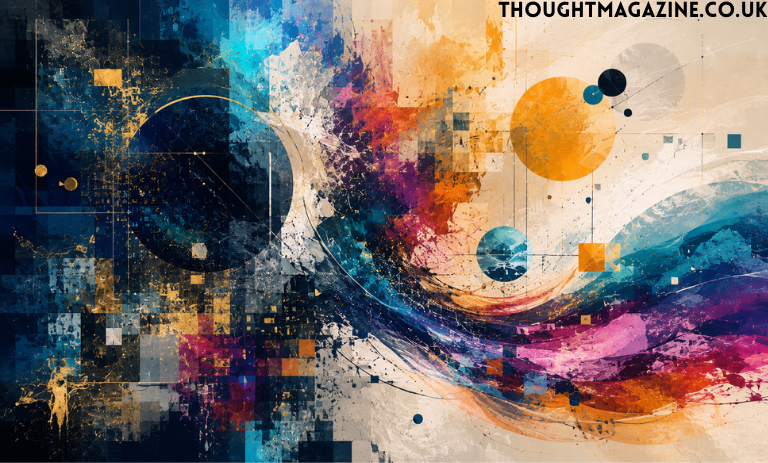
Art has always changed alongside human experiences, social developments, and technological progress. Each period introduces new ways of creating and interpreting visual expression, often challenging the ideas that came before it. Jememôtre represents one such conceptual approach that focuses on breaking traditional boundaries and exploring creativity through personal interpretation, experimentation, and modern influences.
Rather than following fixed artistic rules, jememôtre reflects an open approach to making and understanding art. It brings together elements of digital technology, abstract thinking, cultural influences, and individual perspectives to create works that are not limited to one specific style. The concept focuses on how people experience the world around them and how those experiences can be transformed into creative forms.
The idea behind jememôtre is closely connected with personal reflection. It encourages artists to look beyond external appearances and explore emotions, memories, identity, and human connections. Instead of presenting art as a finished object with a single meaning, jememôtre views creativity as an ongoing conversation between the creator, the artwork, and the audience.
Understanding the Concept Behind Jememôtre
The foundation of jememôtre lies in the belief that art does not have to follow conventional structures. Traditional forms often rely on established techniques, recognizable subjects, and clear interpretations. Jememôtre takes a different direction by allowing artists to experiment with unusual combinations of materials, ideas, and technologies.
The term itself carries a sense of self-observation and measurement. It suggests a relationship between the individual and their surroundings, where personal experiences become a tool for creative exploration. In this sense, jememôtre is not only about producing artwork but also about examining how people understand themselves and their place in a changing environment.
Artists working within this concept may use digital tools, interactive formats, mixed media, or abstract compositions. The focus is not simply on technical skill but on the ability to communicate ideas and emotions in ways that may not fit traditional categories.
The Role of Technology in Jememôtre
Technology has transformed how artists create, share, and experience artwork. Digital platforms, artificial intelligence, virtual environments, and advanced design tools have expanded creative possibilities. Jememôtre reflects this shift by recognizing technology as part of the artistic process rather than just a separate tool.
Digital techniques allow creators to develop artworks that can change over time, respond to viewers, or combine multiple forms of media. Unlike traditional paintings or sculptures that remain physically unchanged, technology-based works can evolve depending on interaction and environment.
For jememôtre, technology provides a way to explore new forms of storytelling. An artist can combine images, sounds, movement, and digital elements to create experiences that engage audiences differently. This approach allows creativity to move beyond the boundaries of galleries and physical spaces.
However, technology in jememôtre is not used simply for visual effects. The purpose is to support ideas and create meaningful connections. The tools themselves are less important than how they help express thoughts, emotions, and observations about human life.
Moving Beyond Traditional Artistic Rules
Many art movements throughout history developed because artists wanted to question existing methods. Jememôtre follows a similar principle by challenging the idea that art must fit into established definitions.
Traditional approaches often separate different forms of creativity into categories such as painting, sculpture, photography, or digital design. Jememôtre encourages a more flexible understanding where different techniques can exist together.
An artwork may combine physical materials with digital elements, realistic images with abstract forms, or historical references with modern concepts. This combination creates opportunities for artists to communicate complex ideas that may be difficult to express through a single medium.
The movement also questions the expectation that every artwork should have an obvious meaning. Jememôtre allows space for interpretation, giving viewers the opportunity to develop their own understanding based on personal experiences.
The Importance of Personal Expression
One of the central ideas connected with jememôtre is individual expression. Every person experiences the world differently, and these differences influence how they create and interpret art.
Artists may use jememôtre as a way to explore personal memories, emotions, cultural backgrounds, and social observations. The artwork becomes a reflection of individual thought rather than simply a representation of external reality.
This focus on personal expression does not mean that the artwork is limited to the artist’s own experience. Personal stories often connect with broader human themes such as identity, change, relationships, technology, and society.
By encouraging artists to bring their own perspectives into their work, jememôtre highlights the importance of authenticity in creative expression.
Cultural Influences Within Jememôtre
Art has always been connected to culture. Symbols, traditions, social events, and historical experiences often influence creative work. Jememôtre recognizes these connections while allowing artists to reinterpret cultural elements through a modern perspective.
A creator may combine traditional patterns, historical references, or cultural symbols with contemporary techniques. This creates artwork that reflects both the past and the present.
The movement does not treat culture as something fixed. Instead, it views cultural identity as something that continues to develop. As societies change, artistic expressions also change.
Through this approach, jememôtre provides a space where different cultural influences can interact and create new forms of artistic communication.
Abstract Forms and New Ways of Seeing
Abstraction plays an important role in the concept of jememôtre. Abstract art removes the need to directly represent objects or scenes and instead focuses on shapes, emotions, patterns, and ideas.
Jememôtre uses abstraction as a method for exploring thoughts that may not have simple explanations. Colors, structures, digital patterns, and unusual compositions can communicate feelings or concepts without relying on traditional storytelling.
This approach encourages viewers to spend more time engaging with artwork. Instead of searching for a single answer, they are invited to consider different possibilities and interpretations.
The relationship between the artwork and the viewer becomes more active. Each person may discover a different meaning based on their own experiences and perspective.
Jememôtre and the Changing Role of the Artist
The role of artists has continuously evolved throughout history. In traditional settings, artists were often viewed primarily as skilled creators producing carefully crafted works. Contemporary approaches have expanded this role, allowing artists to become researchers, experimenters, and storytellers.
Jememôtre reflects this broader understanding of creativity. Artists are not only creating objects but also exploring ideas, questioning systems, and examining human experiences.
The artist becomes someone who connects different fields, including technology, culture, design, and personal reflection. This expanded role allows creative work to address more complex topics.
How Audiences Experience Jememôtre
The relationship between artists and audiences is an important part of jememôtre. Instead of viewing audiences as passive observers, this approach encourages participation and personal engagement.
Some works inspired by this concept may involve interactive experiences where viewers influence the outcome. Others may encourage reflection through open-ended meanings and emotional connections.
This creates a different relationship with art. The audience is not simply receiving a message from the artist but becoming part of the interpretation process.
Such experiences reflect the changing ways people interact with creativity in digital and physical environments.
The Future Possibilities of Jememôtre
As technology and creative practices continue to develop, concepts like jememôtre may continue evolving. New tools and platforms provide artists with additional opportunities to experiment and communicate ideas.
Future expressions of this approach could involve more interactive installations, digital environments, artificial intelligence-assisted creations, and combinations of different artistic disciplines.
However, the core focus remains the relationship between creativity and human experience. Technology may change the methods used by artists, but personal expression and meaningful communication remain central.
Jememôtre represents an approach that views art as something flexible, personal, and continuously developing.
Conclusion
Jememôtre represents a way of thinking about art that focuses on experimentation, personal interpretation, and the connection between creativity and modern life. By combining technology, abstract forms, cultural influences, and individual perspectives, it challenges traditional ideas about how art should be created and understood.
Rather than defining art through strict rules or categories, jememôtre encourages exploration and conversation. It allows artists to express complex ideas while giving audiences the freedom to develop their own interpretations.
At its core, jememôtre highlights the evolving nature of creativity. It reflects the idea that art is not limited to a specific medium, period, or technique but continues to change as people discover new ways to understand themselves and the world around them.